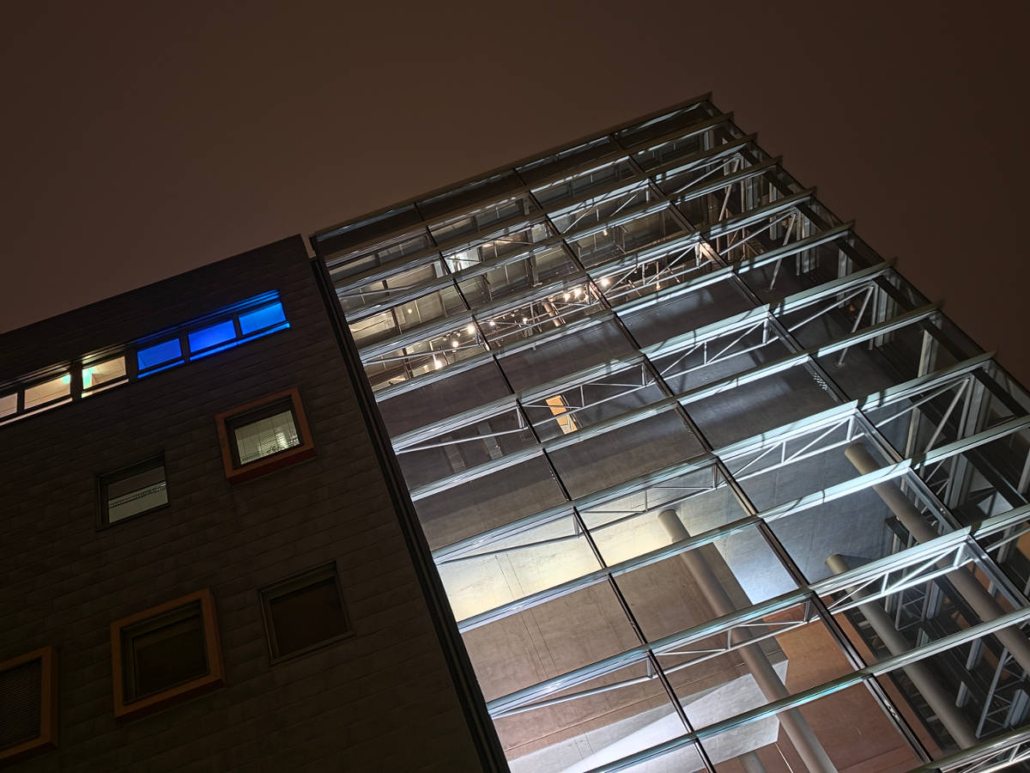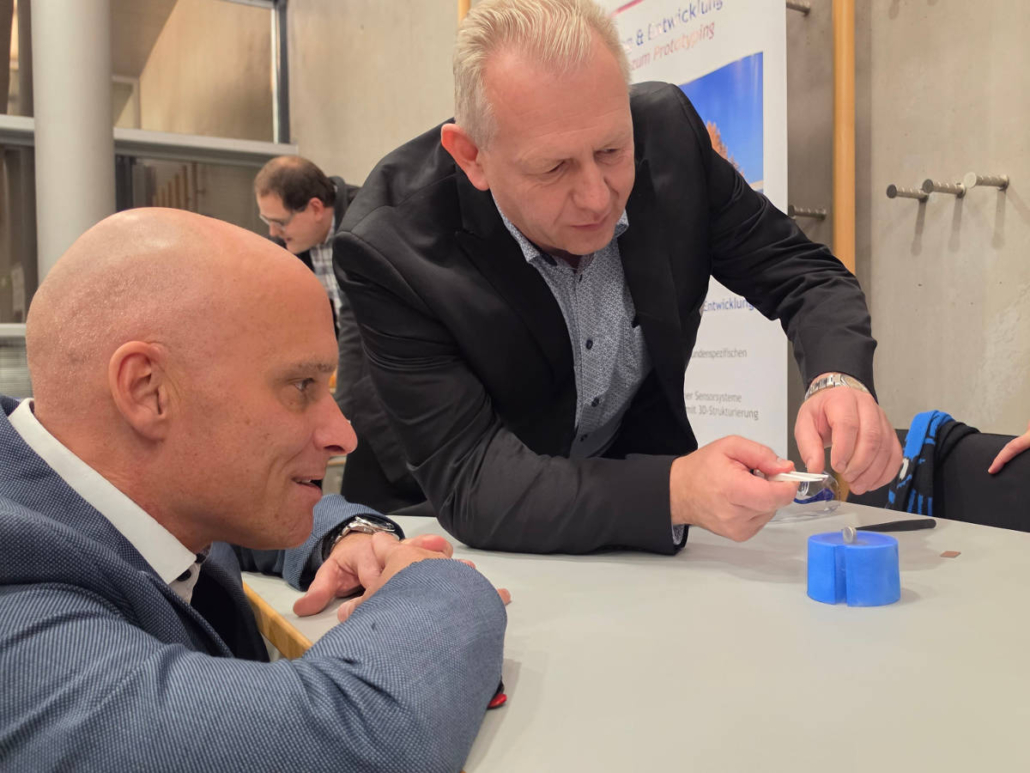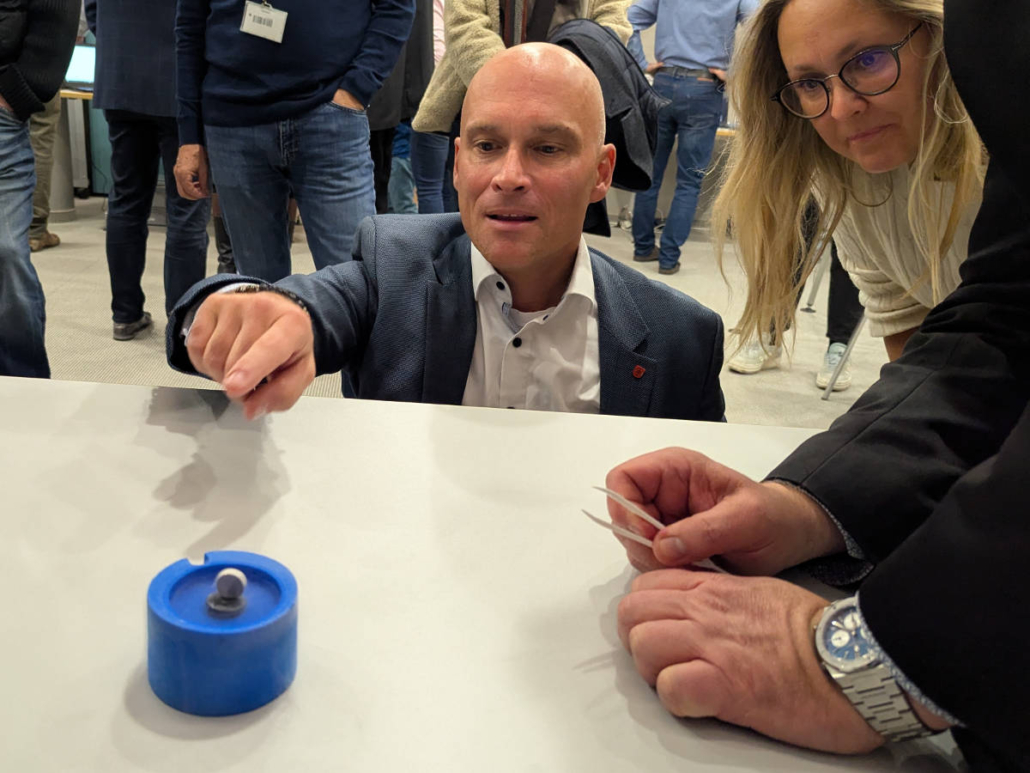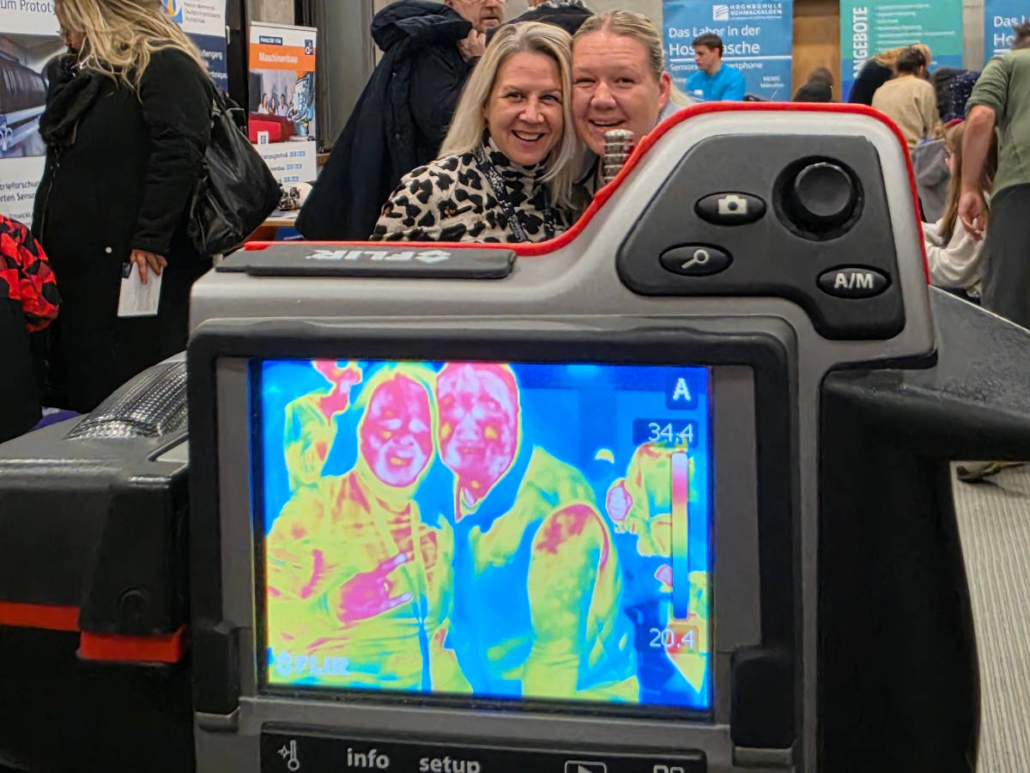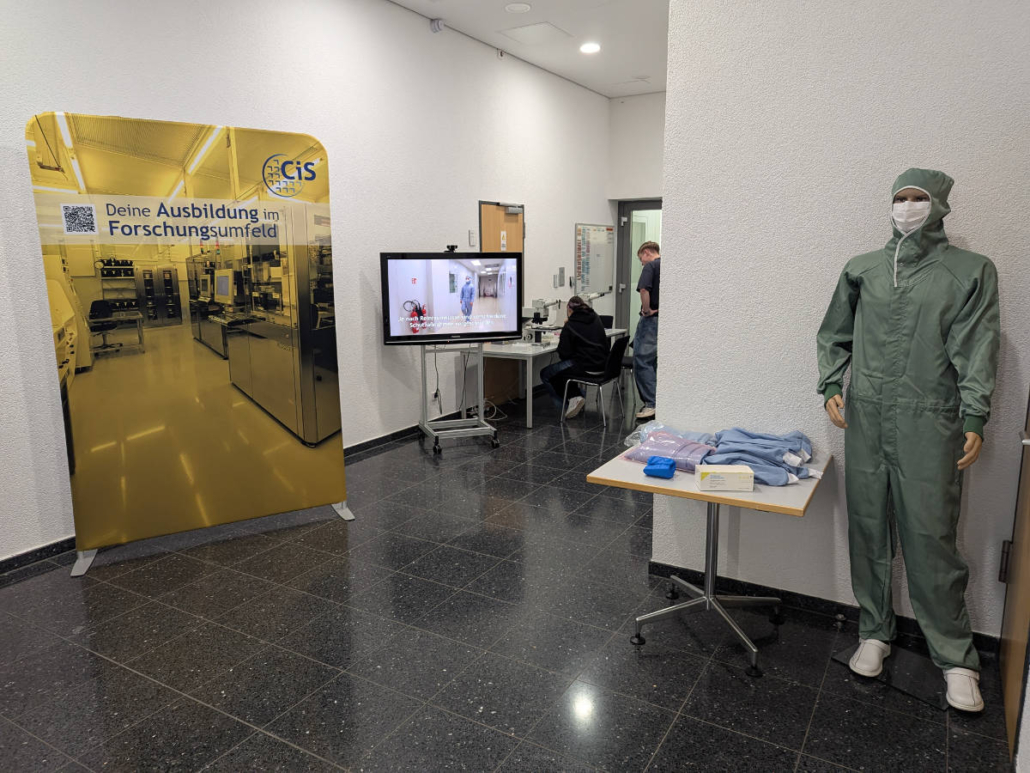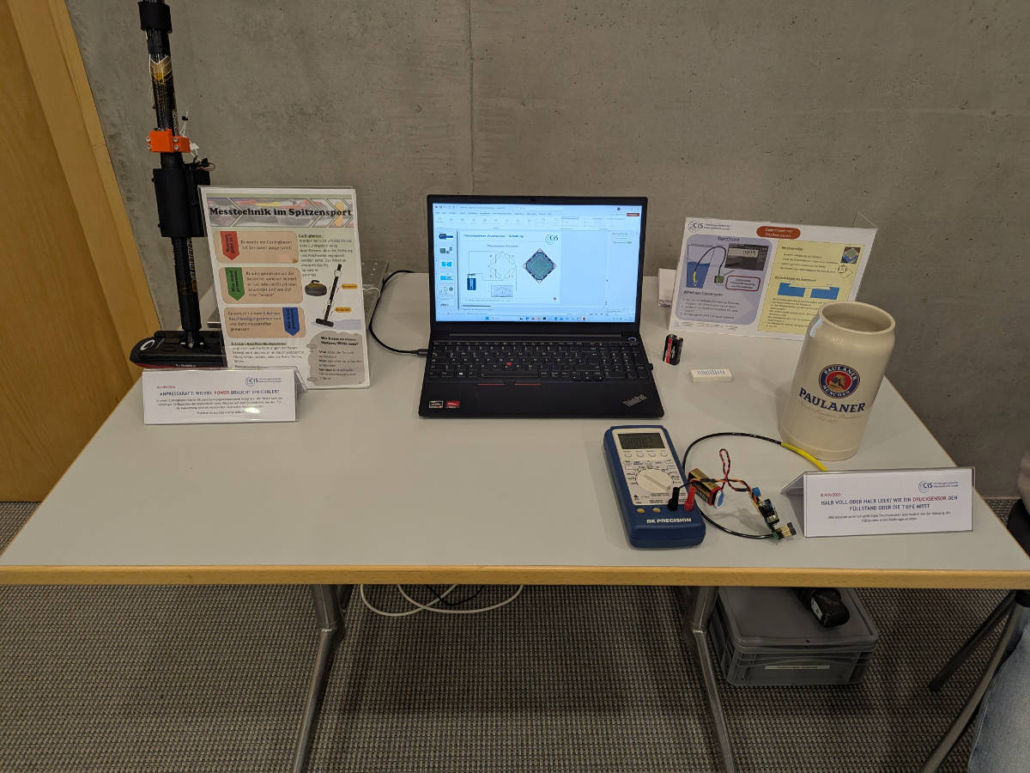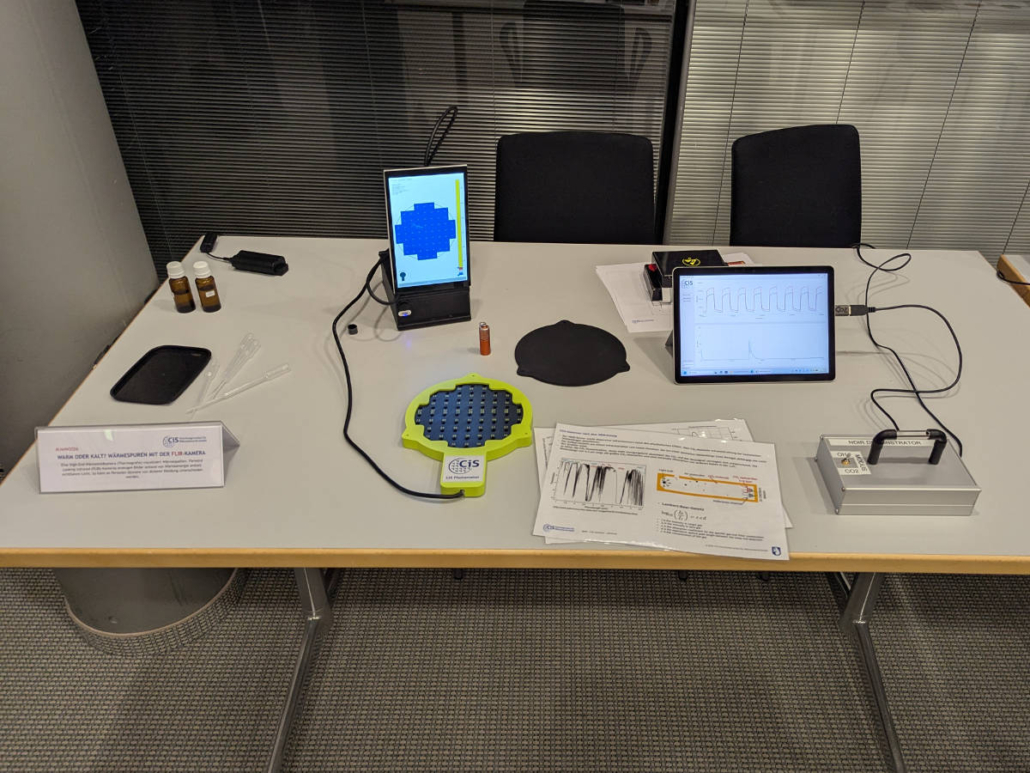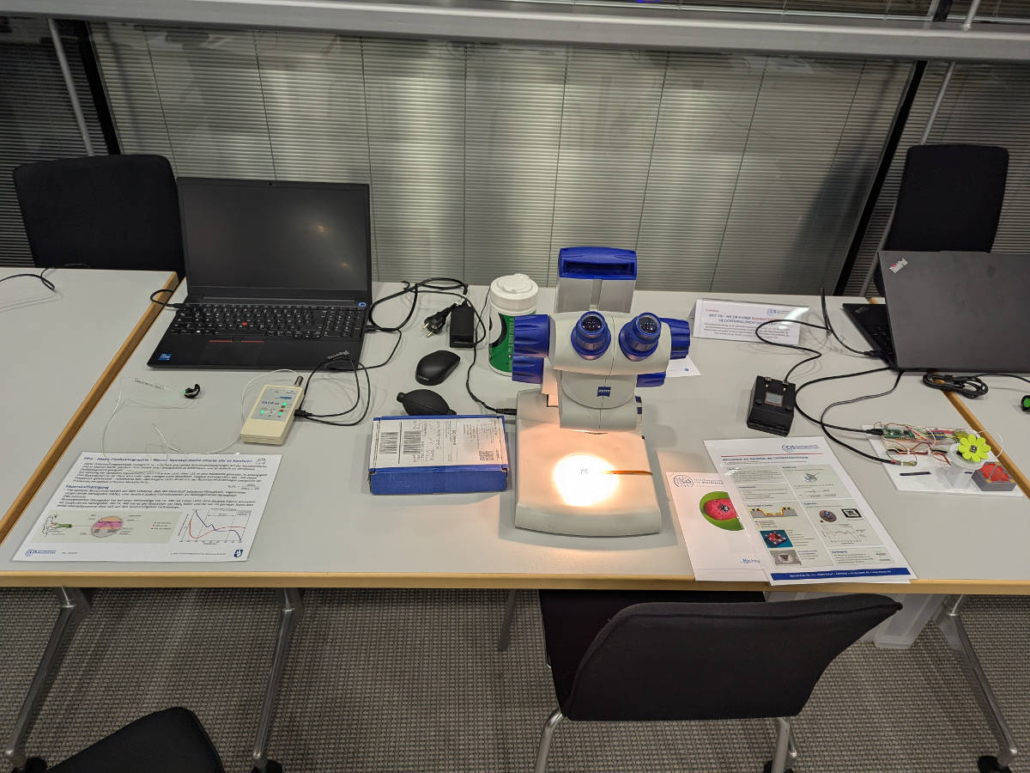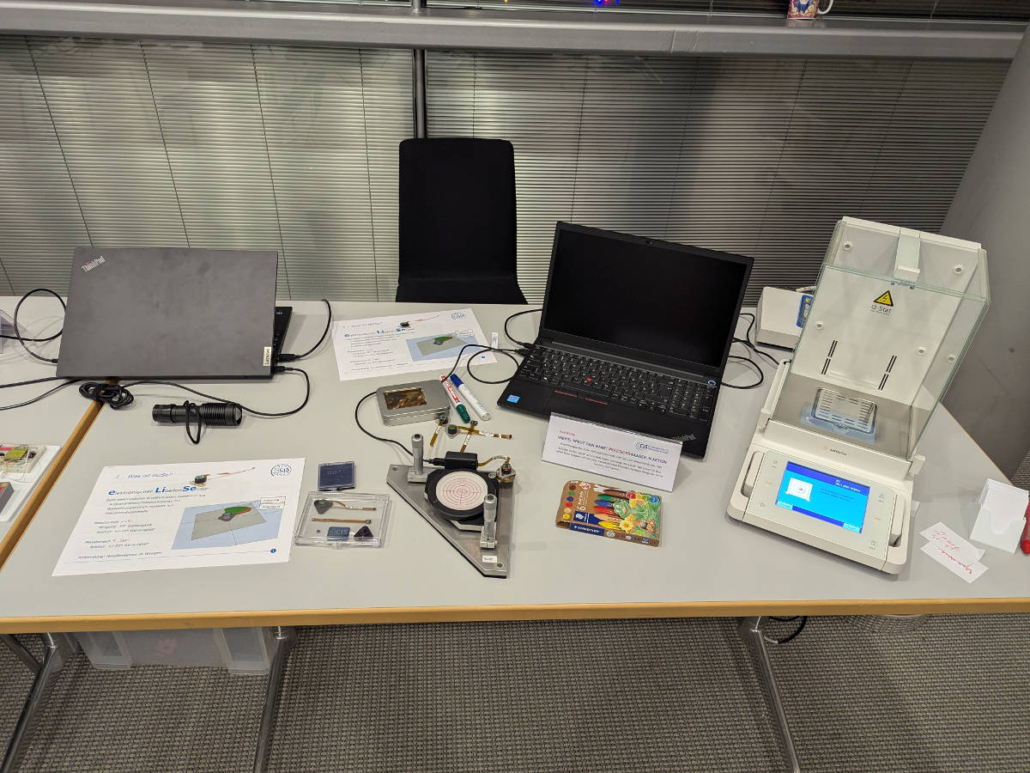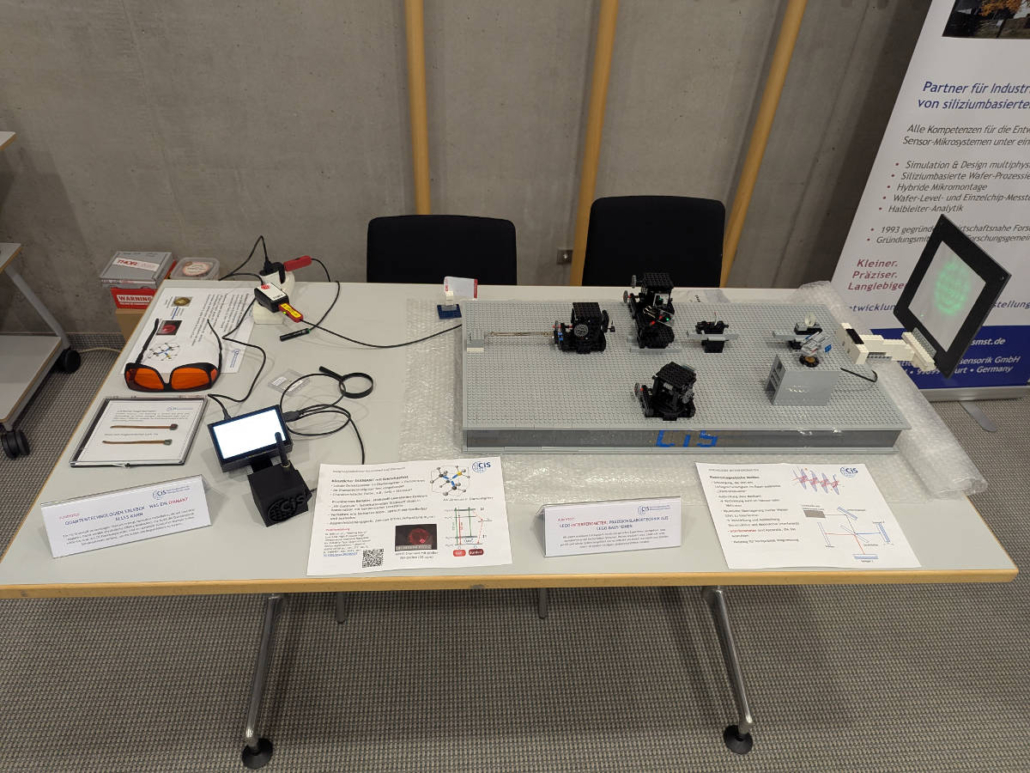
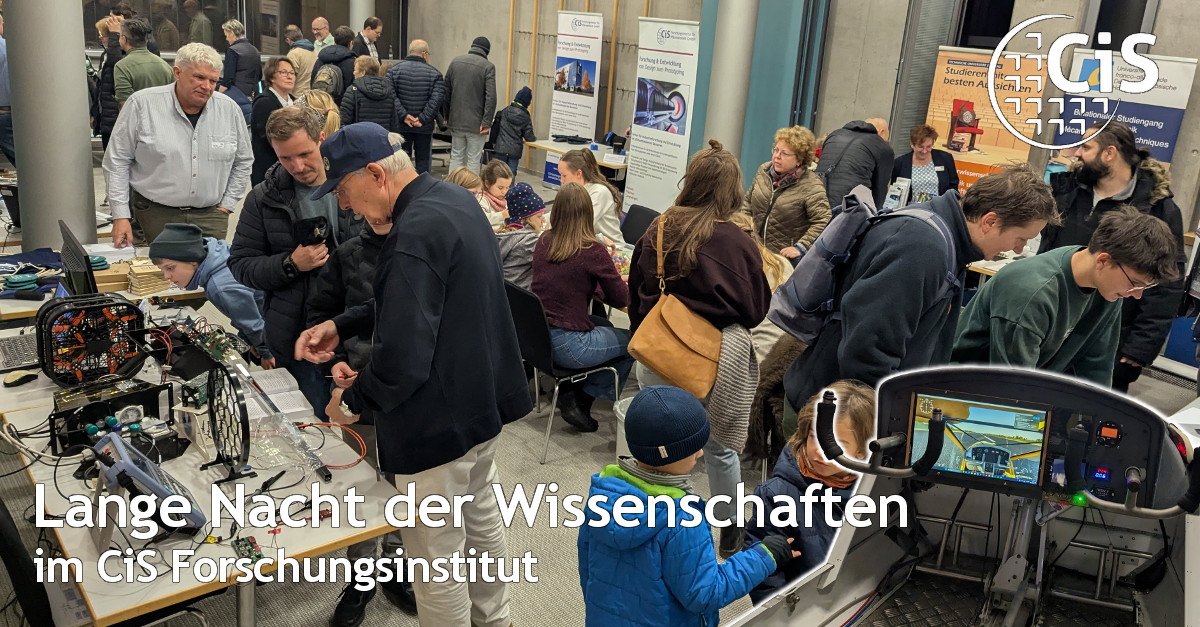
How does a tiny structure become a high-performance sensor? And how can details that are hidden from the naked eye be made visible? During the Long Night of Science on November 6, 2026, the CiS Research Institute for Microsensor Technology in Erfurt opened its doors and invited visitors to discover the world of microsensor technology. The institute develops silicon-based microsensors and microsystems that are used in fields such as industry, medicine, electric mobility, and hydrogen utilization.
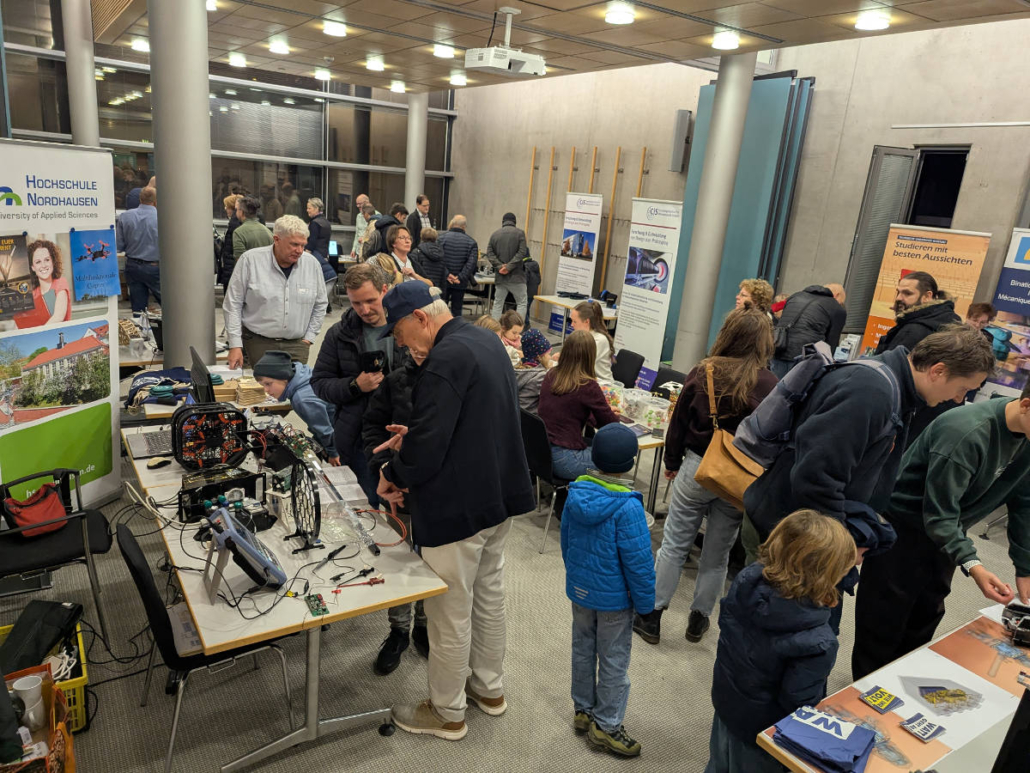
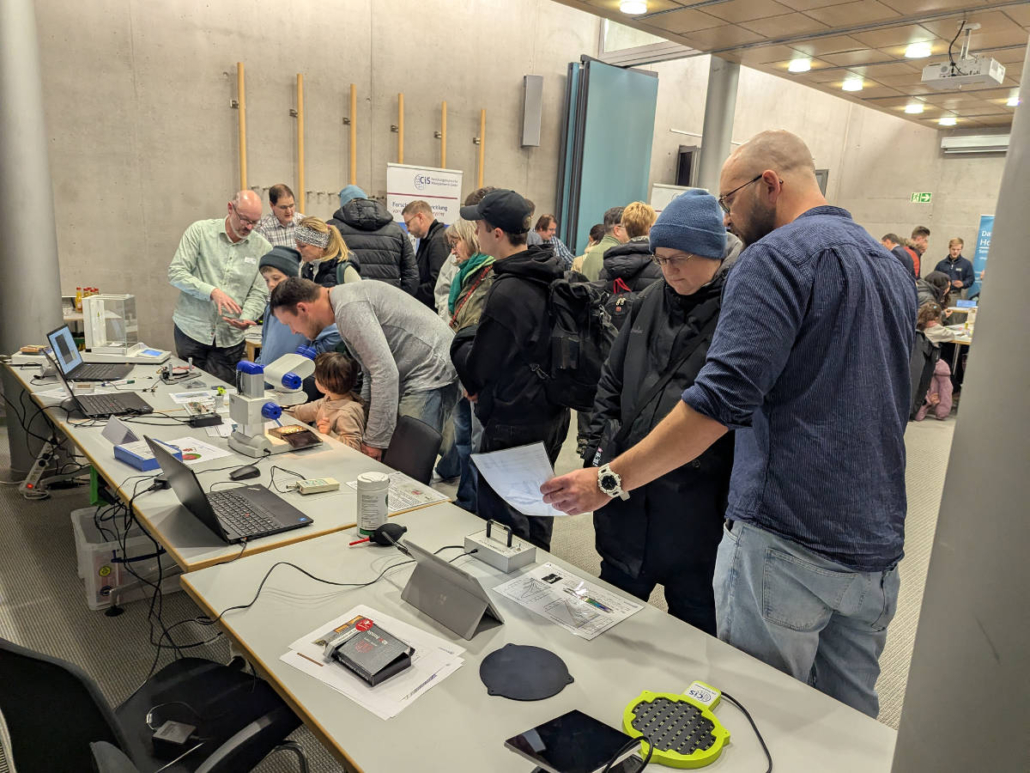
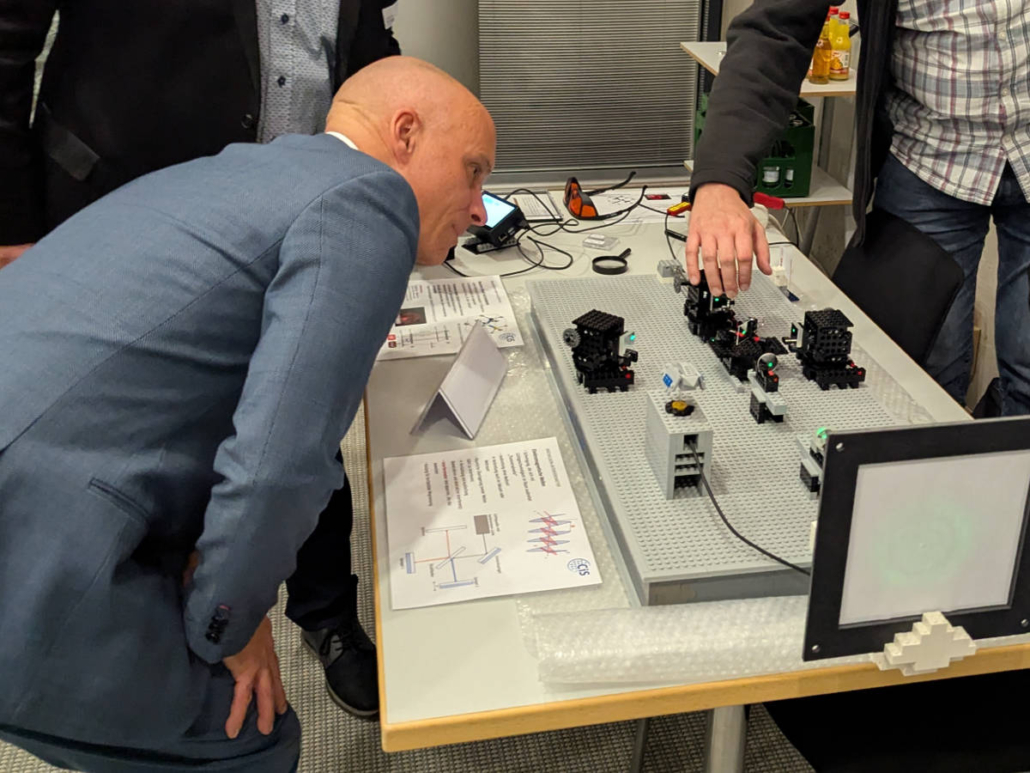
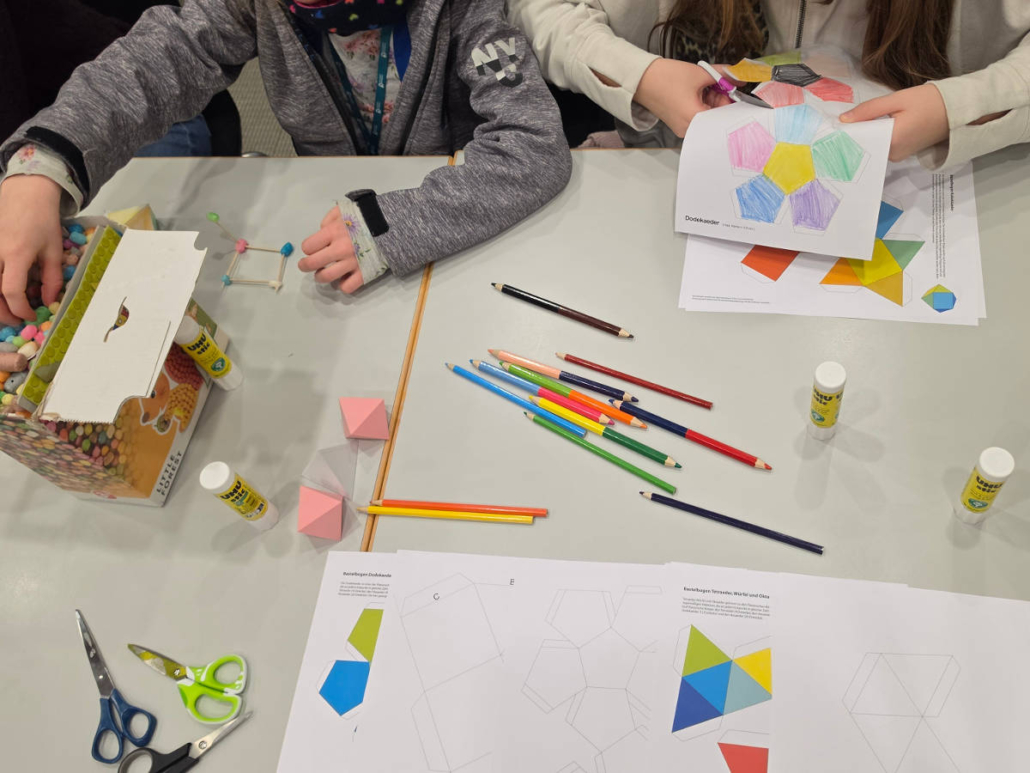
The focus of the evening was on direct interaction: both young and older visitors with a thirst for knowledge were able not only to learn about research and technology but also to experience it firsthand and help shape it. Our staff made complex topics easy to understand and demonstrated just how exciting a look behind the scenes at a research facility can be.
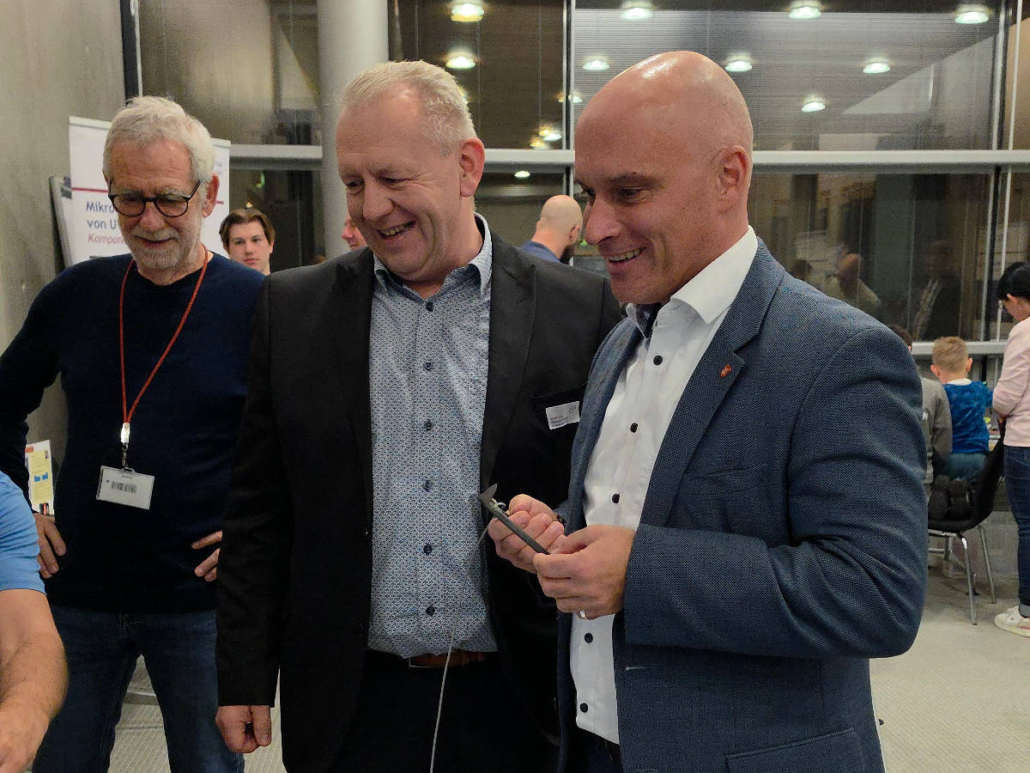
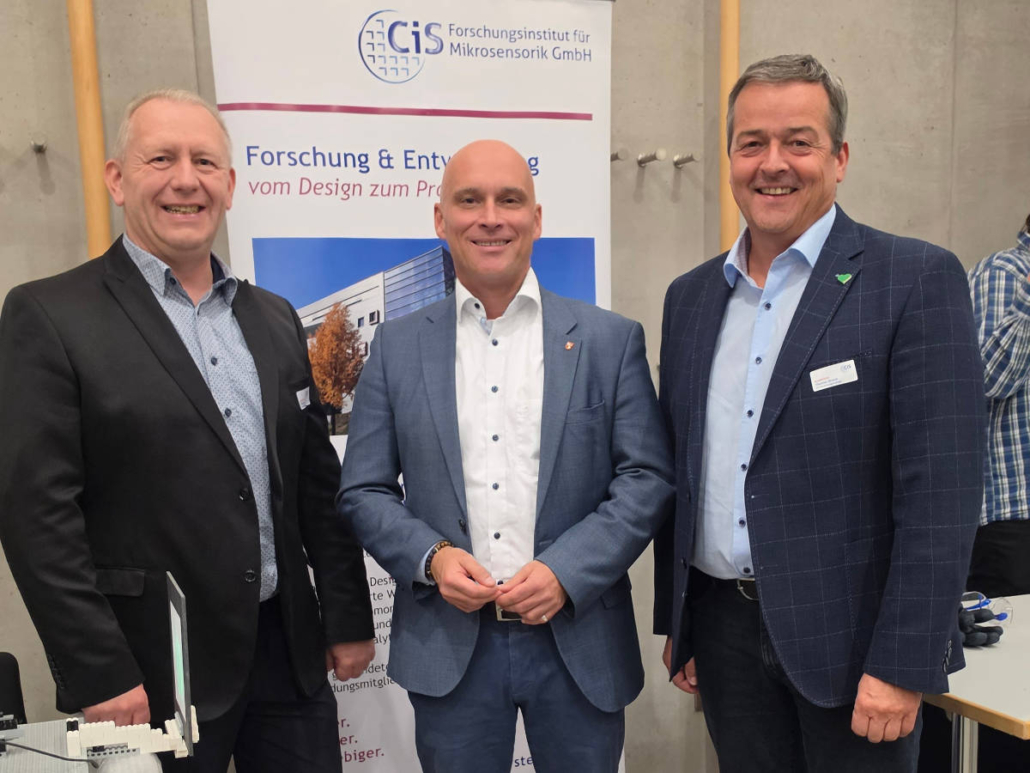
A special highlight was the visit by Erfurt’s Mayor Andreas Horn. We were delighted by his interest in our work and our participation in Science Night.
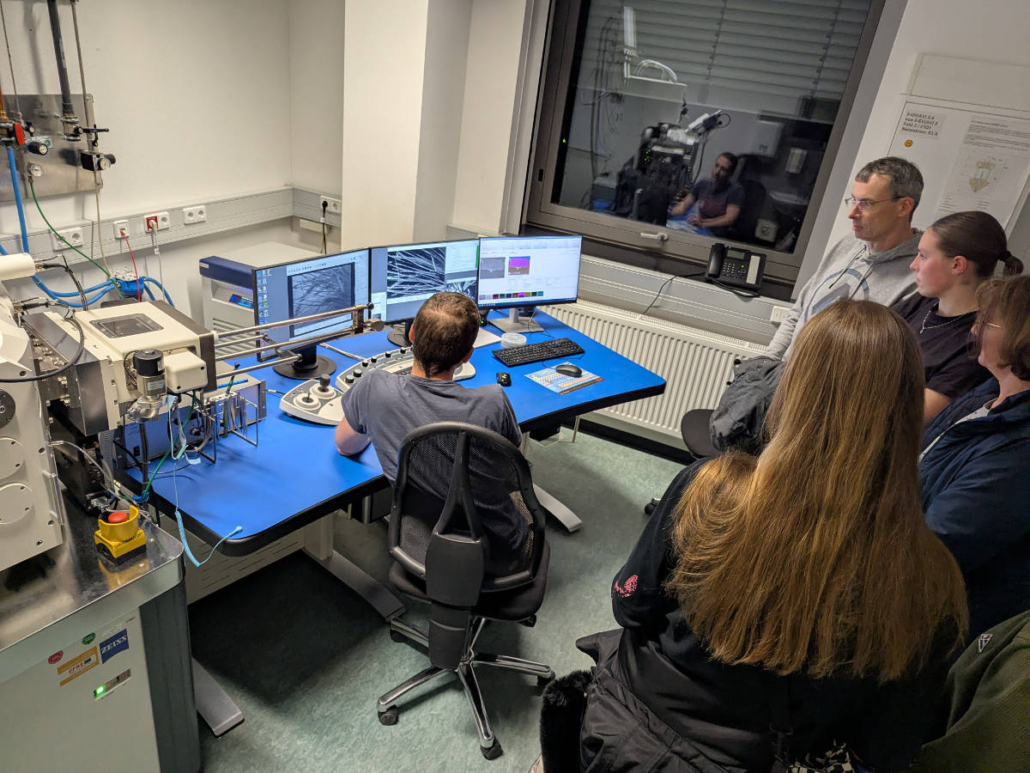
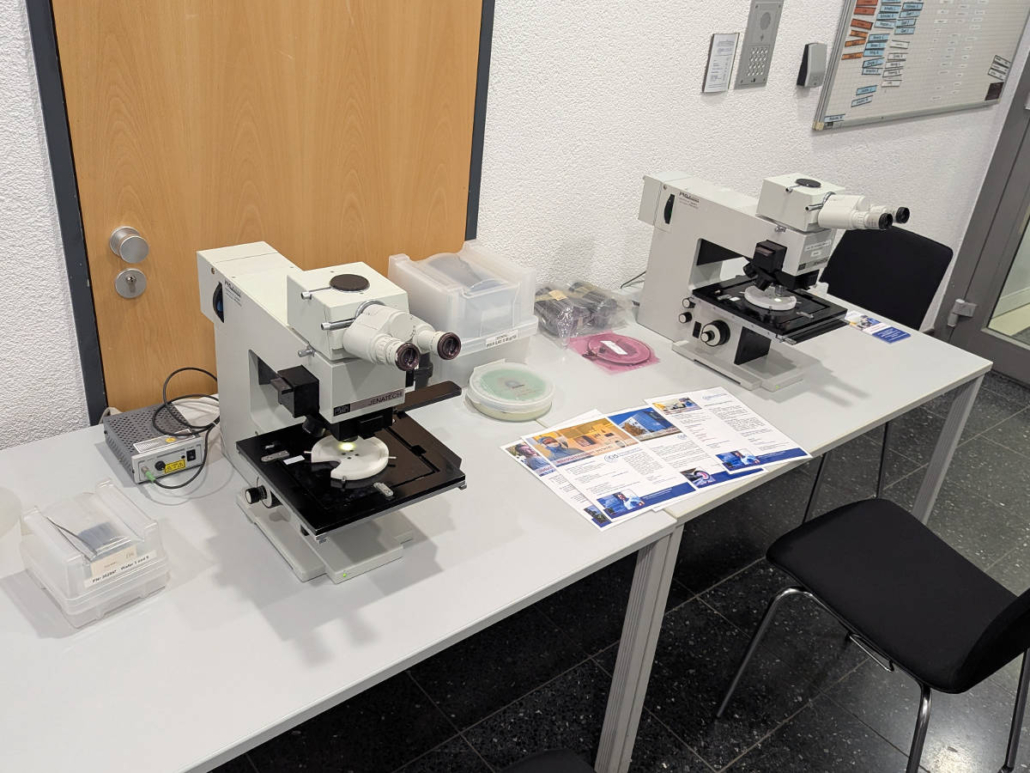
Our scanning electron microscope (SEM) demonstrated just how impressively modern technology can reveal hidden details. It provided unusual insights into the tiniest structures and offered a vivid introduction to complex investigative methods. At the same time, the focus was on career prospects: technical professions, such as that of a microtechnologist, can open up exciting opportunities for young people’s futures.
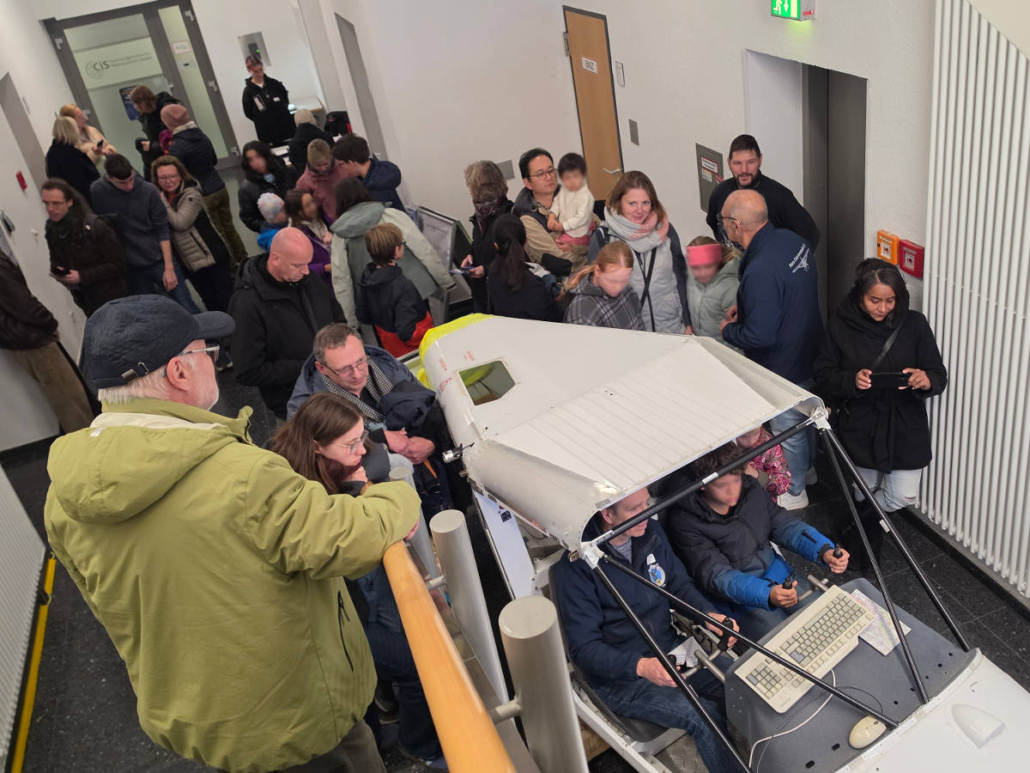
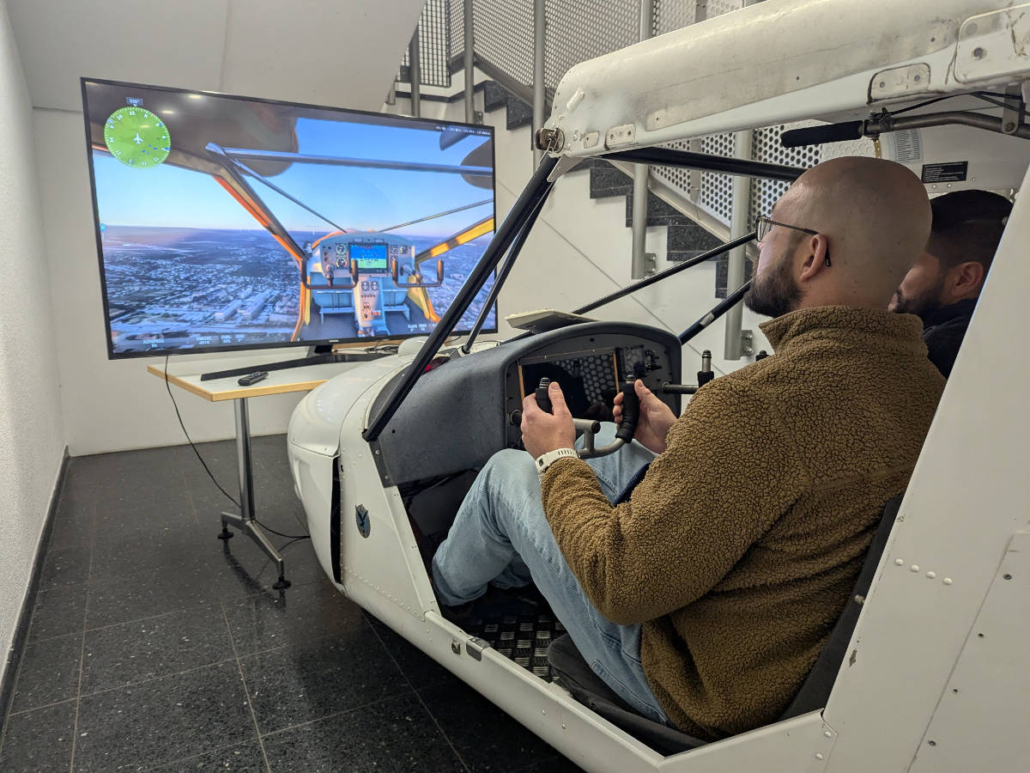
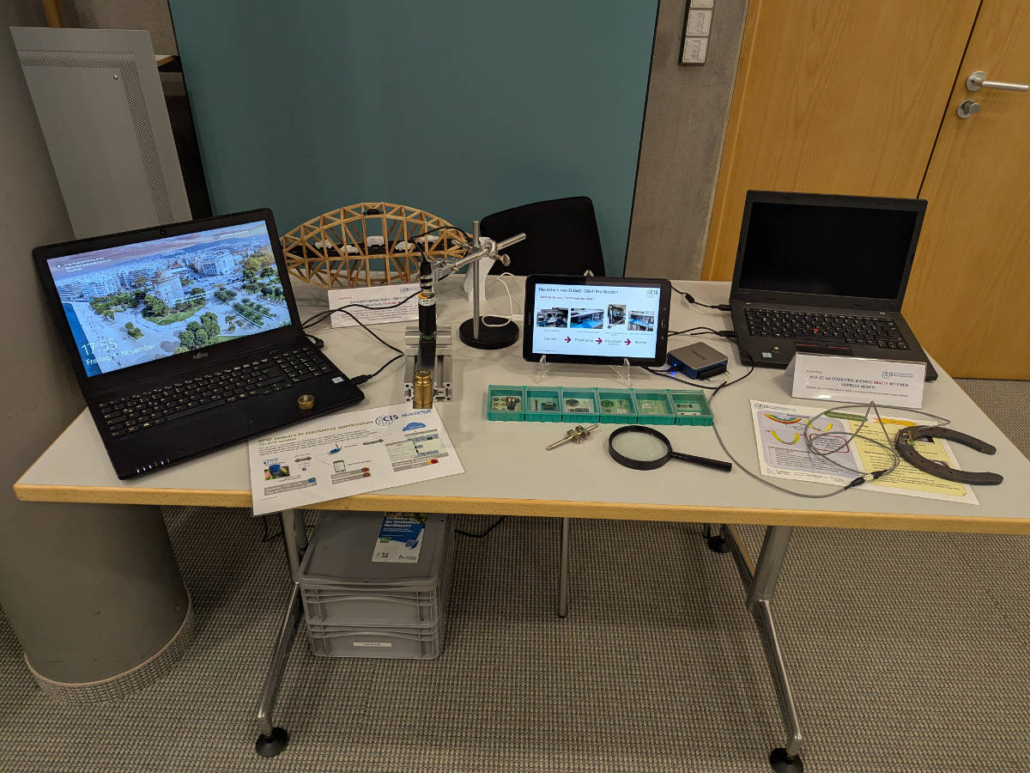
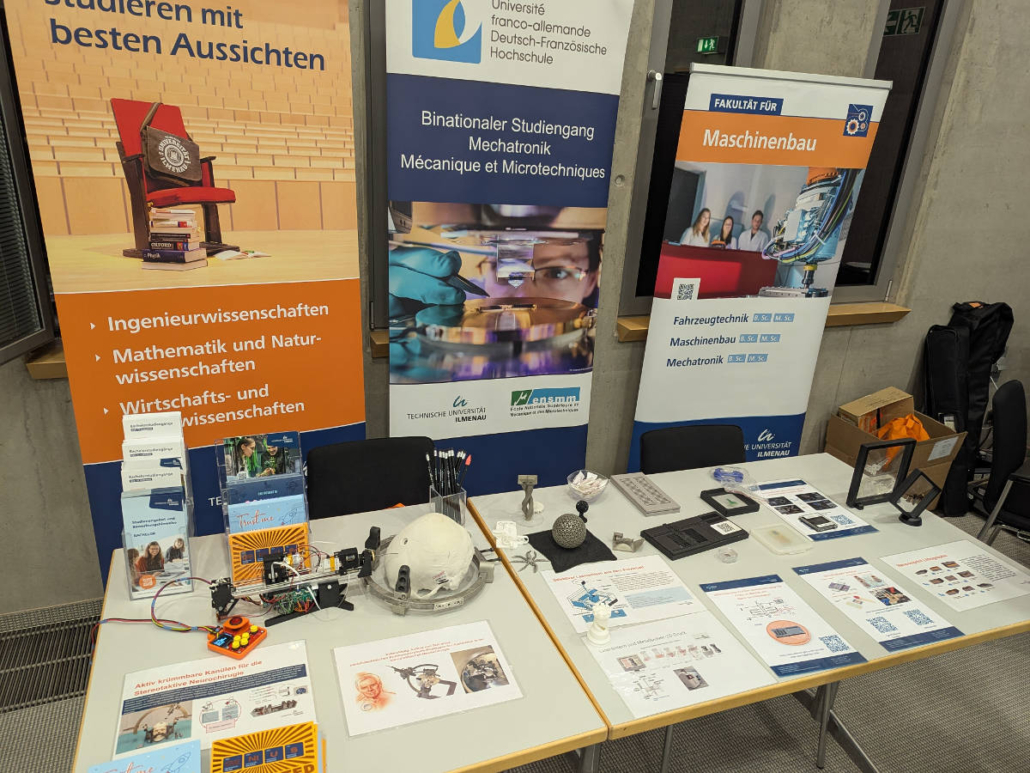
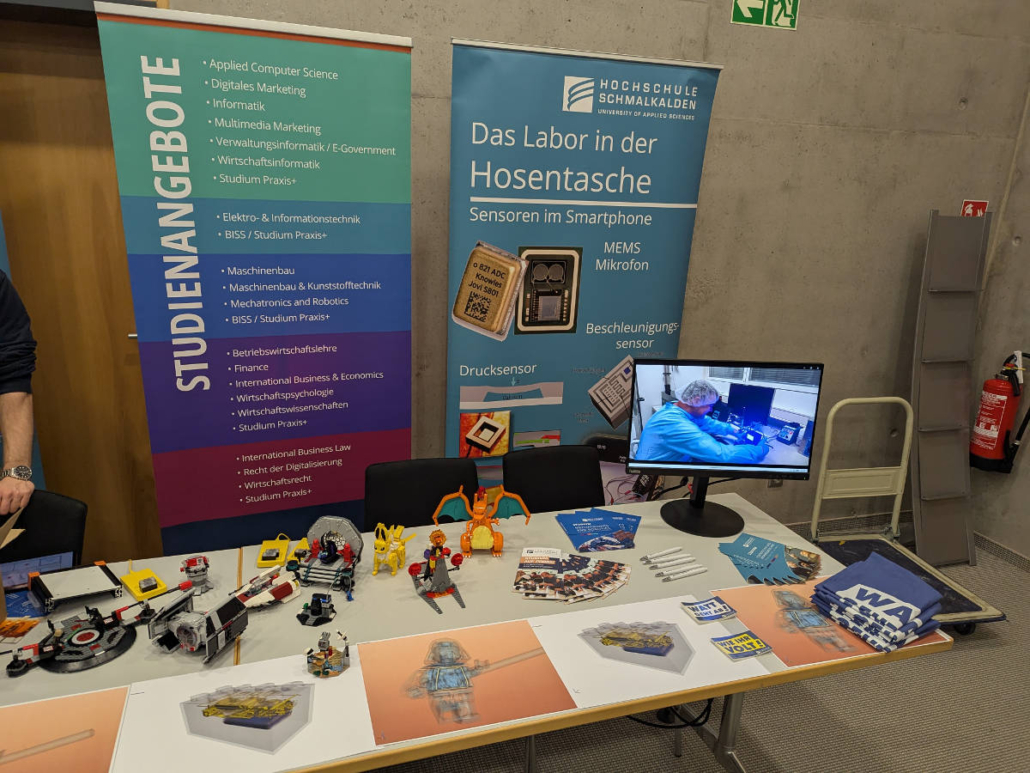
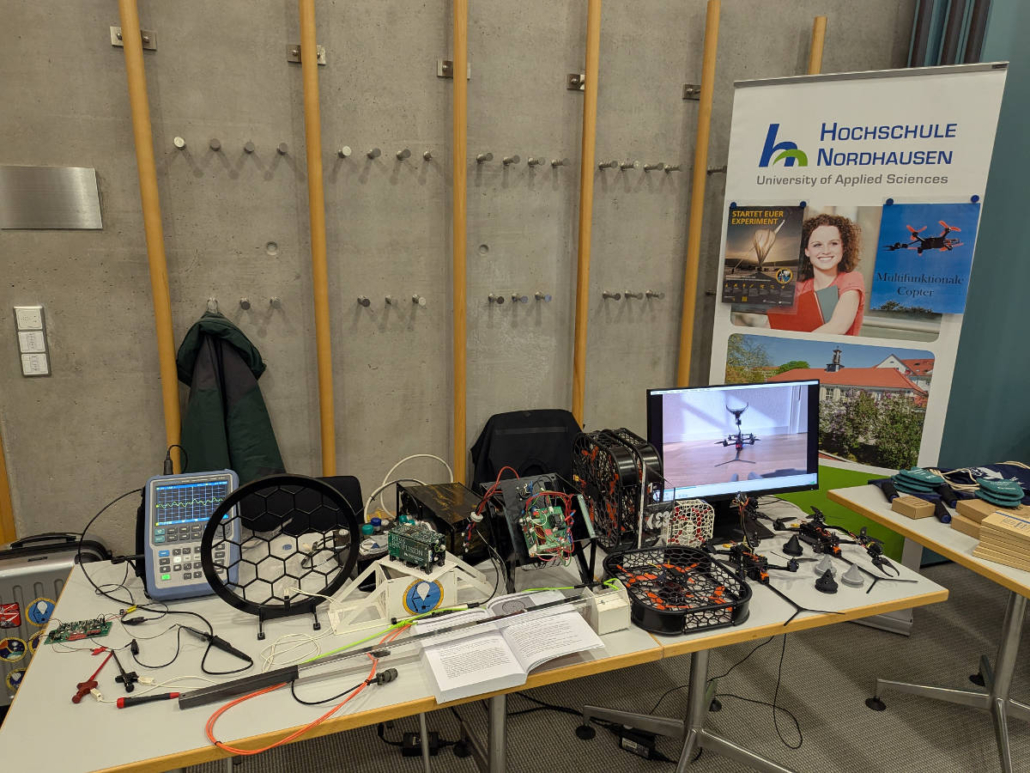
Our external partners also enriched the evening with their own exhibits: the Arnstadt Aeroclub, the Technical University of Ilmenau, Schmalkalden University of Applied Sciences, and Nordhausen University of Applied Sciences showcased their projects and created a variety of starting points for discussions about research, technology, and career prospects.
We would like to extend our heartfelt thanks to everyone involved who made this evening possible through their dedication, creative ideas, and enthusiasm for sharing knowledge. They helped bring complex research findings to life in a memorable way, sparked curiosity, and made science more accessible through personal interaction. We would also like to thank all the guests who enriched the event with their questions and enthusiasm.